Home restoration in Charlotte, NC

Keep the character. Fix everything behind it.

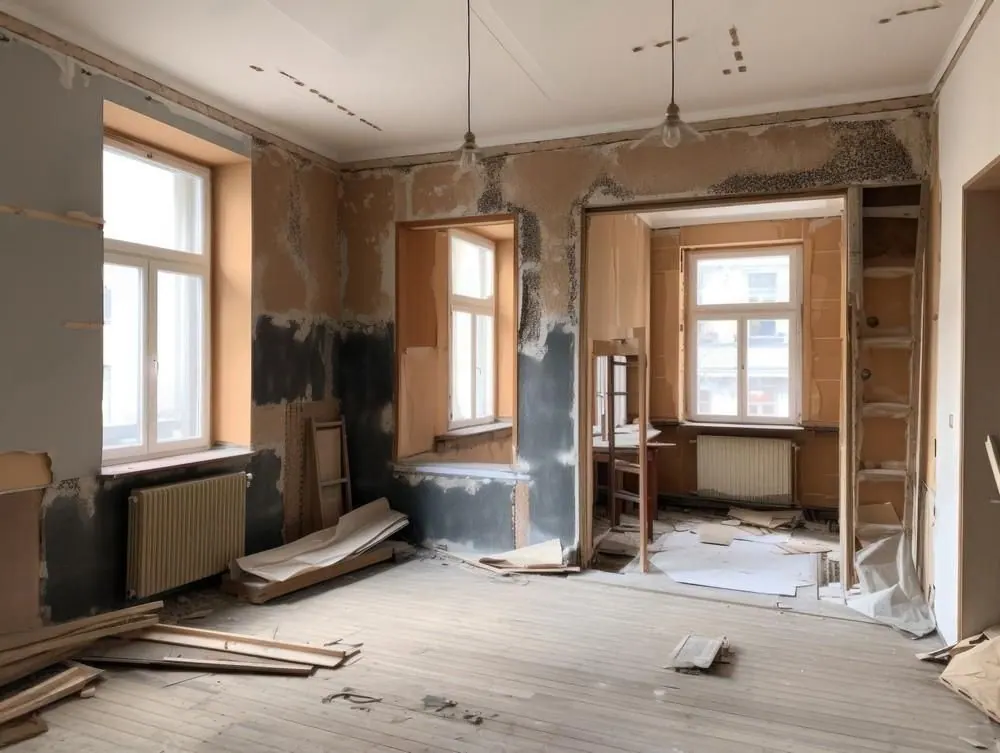
An older room with tall windows opened up for restoration, wood flooring stacked inside
Home restorationCharlotte, NC

What home restoration from Lofinnovation includes

Lofinnovation restores older homes in Charlotte and the surrounding towns. Restoration means repairing and rebuilding what the house already has, such as walls, floors, trim and structure, rather than replacing its character. We look at the house with you, and the estimate is free.

Who it is for

  • Owners of older homes in neighborhoods like Dilworth, Plaza Midwood or downtown Concord
  • Buyers of a house that has been empty or neglected
  • Families who want to keep original floors, trim and details

If you would rather replace everything with new, a renovation is usually the more direct route.

What is included

  • Walking the house to find what can be saved
  • Structural and framing repairs
  • Drywall, plaster-area patching and trim work
  • Flooring repair and refinishing
  • Paint and finishing

Restoration starts with looking

Older houses hide their problems. A soft floor can be a joist issue, and a crack can be cosmetic or a sign of settling. The first job is to open things up carefully and see what is really there.

We would rather tell you what we find than guess at it in the estimate.

In the house, treated like our own

When a long-time customer thanked us on HomeAdvisor, our reply was that we "simply believe in fairness and treating the house as if it were our own." That matters more in a restoration than anywhere else.

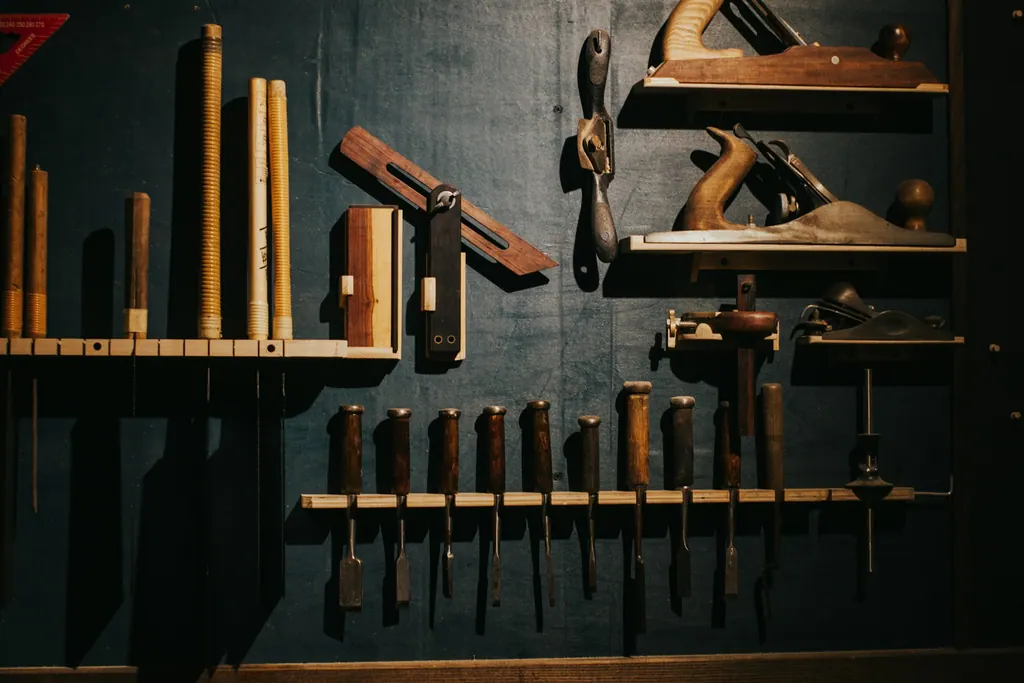
Hand tools hung in order on a workshop wall
The kit

What home restoration means for an older Charlotte house

Home restoration repairs an older house and brings back what made it good: solid floors, straight walls, original trim and doors that close. Where a renovation would replace those things, a restoration keeps as much as can be saved and rebuilds the rest to match.

Charlotte and the towns around it have plenty of houses old enough to need this, from early twentieth-century homes near the city center to mill houses in Kannapolis and Concord. Each comes with its own mix of original materials and later fixes, some better than others.

What we look at first

A restoration starts with a careful walk through the house. Older houses hide their problems behind paint, carpet and paneling, so the first job is finding out what is really there.

  • Floors: soft spots, sagging and bounce, which point to joists or the subfloor.
  • Walls and ceilings: cracks, stains and patches, and whether they are plaster or drywall.
  • Doors and windows: frames that have racked, so doors stick or gaps open.
  • Trim and woodwork: what is original, what is missing and what was replaced badly.
  • Signs of old water: stains, rot at sills and around tubs, and past repairs.

Some of this cannot be known until a wall or floor is opened. When that happens, we show you what we found before deciding what to do about it.

Save it or replace it

How we weigh common materials in an older house
MaterialUsually worth saving whenUsually replaced when
Hardwood floorsBoards are solid and thick enough to sandBoards are rotted, split or sanded too thin
Trim and casingsProfiles are intact under the paintPieces are missing and a run is short
Plaster wallsThe plaster is still keyed to the lathLarge areas are loose or crumbling
Interior doorsSolid wood doors that only need refittingDoors are split or have warped badly

Old-growth lumber in older houses is often denser than what a lumberyard sells today, which is one more reason to keep it when it is sound.

Matching trim, floors and walls

The hard part of restoration is the patch nobody notices. A new piece of baseboard has to match a profile that may not be made anymore. A floor repair has to blend with boards that have had a century to change color.

Some profiles can be matched from stock, some can be built up from several pieces, and some can be borrowed from a closet where nobody will miss them. We look at what your house has at the estimate and talk through how close a match is realistic.

Lead paint and other old materials

Lead-based paint was banned for homes in 1978, so a house built before then may have it under later coats. Older houses can also contain asbestos in materials such as some floor tiles, pipe insulation and textured ceilings.

The house can still be restored. Test first, before anyone sands, scrapes or demolishes old finishes. The U.S. Environmental Protection Agency publishes guidance for homeowners on both.

Treating the house as if it were our own

When a long-time customer thanked us on HomeAdvisor, our reply was that we "simply believe in fairness and treating the house as if it were our own." Restoration is where that counts most, because the materials cannot be reordered.

In a restoration that should mean floors protected before work starts, removed trim labelled so it goes back where it came from, and a word with you before anything original comes out.

What moves the price of a restoration

Restoration is harder to price from a photo than any other kind of job, because so much depends on what is behind the surface. You get a price at a free estimate, and it is confirmed before work starts. These drive it:

  • Structural repairs to joists, sills or framing.
  • How much original material can be saved, and how much has to be made to match.
  • Plaster repair versus replacing walls with drywall.
  • Refinishing floors versus replacing sections of them.
  • Testing or abatement of lead paint or asbestos, where needed.
Want a number for your own job? The estimate is free. Book a free estimate or call (704) 706-0597

What home restoration costs

Every job is priced on its own, after we have seen the space. The estimate is free, and the price is confirmed with you before any work starts. We accept Mastercard, Visa, American Express, cash, check, Zelle and Cash App.

Book a free estimate

How a home restoration job works

  1. Step 1 of 4

    Call or text

    Call or text (704) 706-0597, or send the estimate form. Tell us the room and what is wrong with it. Photos help.

  2. Step 2 of 4

    Free estimate

    We look at the space with you, talk through options, and give you a price. The estimate is free.

  3. Step 3 of 4

    Agree the plan

    The price and scope are confirmed with you before any work starts, so there are no surprises on the invoice.

  4. Step 4 of 4

    Build and walk through

    The trades work in order, and the job ends with a walk-through of the finished room together.

Home restoration near Charlotte

We offer home restoration in Charlotte, Davidson, Huntersville, Matthews, Mint Hill, Pineville, Concord, Harrisburg, Kannapolis, Midland, Locust, Indian Trail, Monroe, Weddington, Belmont, Mount Holly, Fort Mill, Tega Cay and Lake Wylie, plus the rest of Mecklenburg County. Every area we serve

Home restoration questions

What is the difference between restoration and renovation?

Restoration repairs a house and returns it to its original character, while renovation updates it with new finishes and layouts. Lofinnovation offers both and can combine them in one project.

Can you match old trim and flooring?

Matching existing trim and flooring is a normal part of restoration work. We look at what your house has at the estimate and talk through how close a match is possible.

Do you restore homes outside Charlotte?

Yes. We serve eighteen towns around Charlotte, including Concord, Kannapolis, Belmont, Mount Holly and Fort Mill. The full list is on our areas page.

Should I keep my old plaster walls?

Plaster that is still firmly attached to the lath is usually worth repairing; it is solid and quiet. Large areas that are loose or crumbling are often better replaced. We check your walls at the estimate.

Does my older house have lead paint?

If it was built before 1978, it may. Lead paint is usually harmless under intact coats and becomes a hazard when it is sanded, scraped or demolished, so test before that kind of work starts.

How much does home restoration cost in Charlotte?

It depends on the structural repairs needed and how much original material can be saved or matched. We price your house at a free estimate and agree the number with you before any work begins.

CallTextFree estimate