Interior demolition in Charlotte, NC

Taking out only what should come out.

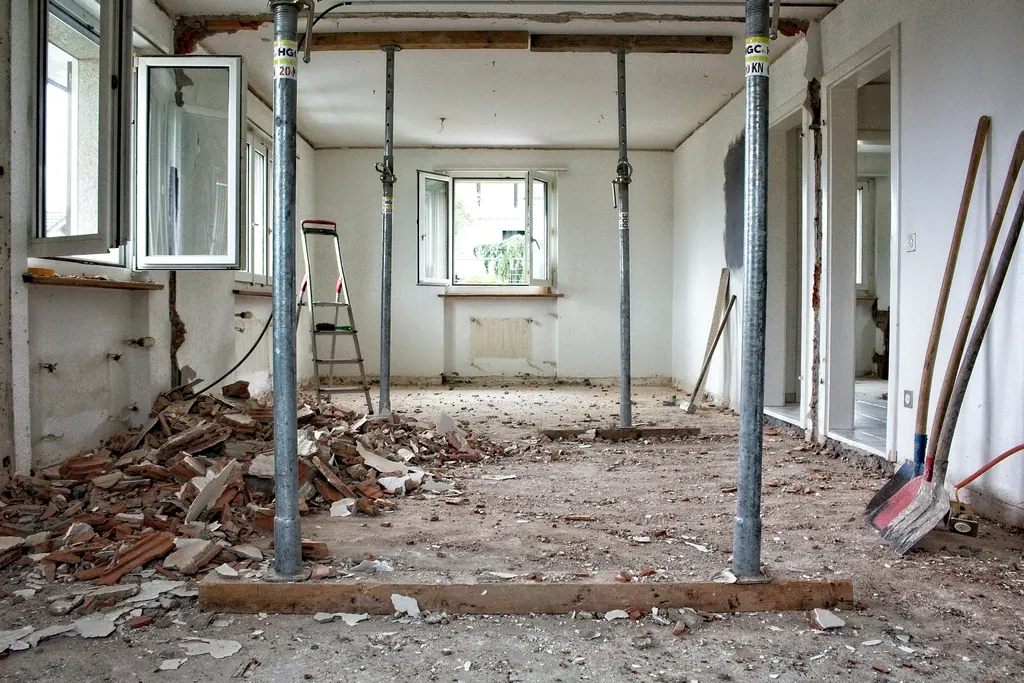
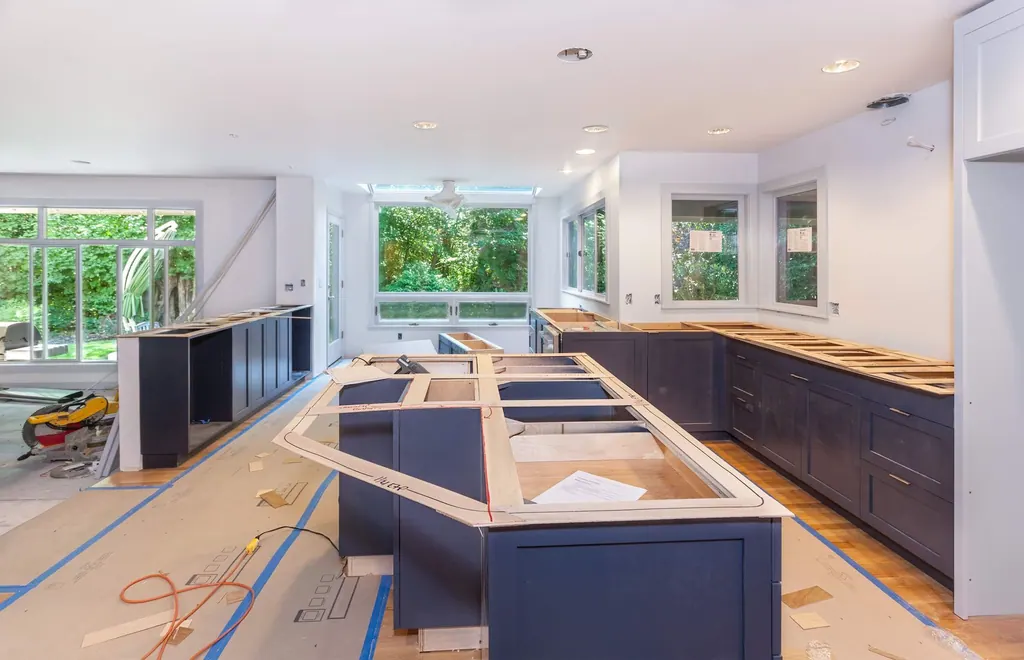
A room stripped for remodeling, with temporary steel supports holding the ceiling and debris on the floor
DemolitionCharlotte, NC

What demolition from Lofinnovation includes

Lofinnovation handles demolition and tear-out for remodels in Charlotte and nearby towns: kitchens, bathrooms, walls, flooring and old decks. Careful demolition protects the parts of the house that stay and leaves a clean start for the new work. Estimates are free, and haul-away is part of the job.

Who it is for

  • Homeowners starting a remodel who want the tear-out done right
  • Projects where a wall is coming out to open up a room
  • Owners clearing an old deck, shed or damaged room

Whole-building demolition of a house or commercial structure needs specialist equipment; call to talk through whether your job fits.

What is included

  • Protecting floors and rooms that stay
  • Removing cabinets, fixtures, flooring and drywall
  • Taking out non-structural walls
  • Temporary support where needed
  • Haul-away and a clean site

Demolition is the first step of building

Good demolition is quiet about what it saves. The goal is to remove the old kitchen without cracking the tile in the hall, and to take out a wall without damaging the ceiling it meets.

Because we do the rebuild too, we demolish with the next step in mind.

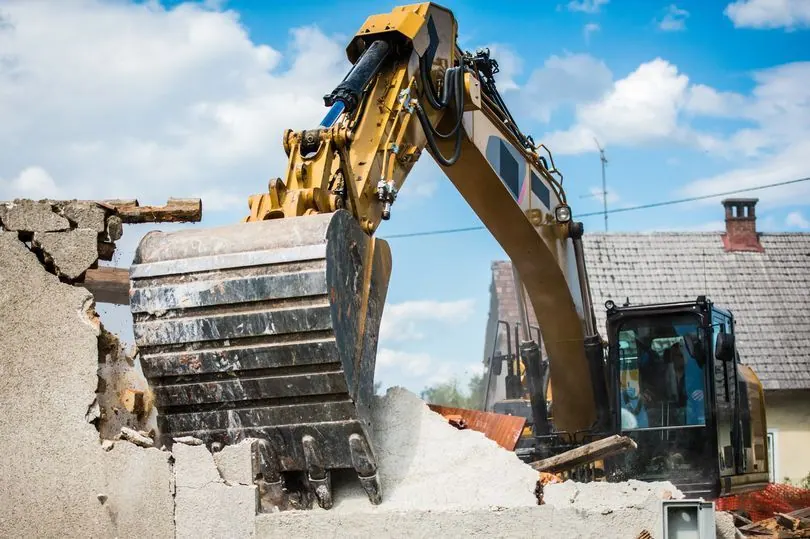
An excavator bucket breaking down a concrete structure
Detail

Interior demolition and tear-out in Charlotte

Interior demolition removes the parts of a house that a remodel will replace: cabinets, counters, fixtures, flooring, tile, drywall, non-structural walls and old decks. Done well, it takes out only what should come out and leaves the rest of the house undamaged and ready for the new work.

Haul-away is part of the job. The debris leaves with us, so you are not left with a pile in the driveway and a weekend of trips to the landfill.

Selective demolition: taking out only what should go

Most demolition inside a house is selective. The kitchen comes out, but the hallway tile next to it stays. The wall comes down, but the ceiling it meets stays flat. That takes more care than a sledgehammer suggests.

  • Protect floors, doorways and rooms that stay before anything is removed.
  • Shut off and cap water, gas and power to the area first.
  • Cut drywall and tile at clean lines so the patch later is small.
  • Save anything worth reusing, such as trim, doors or cabinets for the garage.
  • Contain the dust with plastic sheeting and keep the work area closed off.

Taking out a wall

Opening a kitchen to the living room is one of the most common reasons to take out a wall. The first question is whether the wall carries load from the floor or roof above. A non-structural wall can simply come out. A load-bearing one can still go, but the load has to be carried by a new beam, with temporary support while the work is done.

Walls also carry wiring, plumbing and sometimes ductwork, which have to be rerouted. Taking out a load-bearing wall changes the structure, so it needs a building permit in North Carolina.

Check for hazards before demolition

Older houses can hide materials that should not be broken up without testing. Paint from before 1978 may contain lead. Some older vinyl floor tiles, adhesives, pipe wrap and textured ceilings can contain asbestos.

If your house is older, test suspect materials before demolition starts. If a test comes back positive, the removal goes to an abatement specialist before the rest of the tear-out continues.

Demolition with the rebuild in mind

Because we do the rebuild too, we demolish knowing what goes in next. That affects small things that add up: where to cut the drywall so the new cabinets cover the seam, which subfloor to keep, and what to leave in place to hold the shape of a room.

Demolition also tells you what you are building on. Water damage, old wiring and soft subfloor show up when the finishes come off, and finding them at this stage is far cheaper than finding them after the new work is in.

Old decks, sheds and outdoor structures

We also remove old decks and small outdoor structures, often as the first step in building a new one. A deck that is coming down still has a ledger bolted to the house, and that attachment point needs checking for rot once the old ledger is off.

What we do not take on

Knocking down a whole house or a commercial building is a different trade, with heavy machinery, utility disconnections and its own permits. If your job is that size, call and we will talk through whether it fits. Interior demolition and tear-out for remodels is our day-to-day work.

What moves the price of demolition

Demolition is priced at a free estimate, and the number is confirmed before any work starts. It depends on:

  • How much is coming out, and how heavy it is: tile and plaster weigh far more than drywall.
  • How much protection the rest of the house needs.
  • Whether walls are load-bearing and need temporary support.
  • The volume of debris to haul away.
  • Testing or abatement, if older materials are involved.
Want a number for your own job? The estimate is free. Book a free estimate or call (704) 706-0597

What demolition costs

Every job is priced on its own, after we have seen the space. The estimate is free, and the price is confirmed with you before any work starts. We accept Mastercard, Visa, American Express, cash, check, Zelle and Cash App.

Book a free estimate

How a demolition job works

  1. Step 1 of 4

    Call or text

    Call or text (704) 706-0597, or send the estimate form. Tell us the room and what is wrong with it. Photos help.

  2. Step 2 of 4

    Free estimate

    We look at the space with you, talk through options, and give you a price. The estimate is free.

  3. Step 3 of 4

    Agree the plan

    The price and scope are confirmed with you before any work starts, so there are no surprises on the invoice.

  4. Step 4 of 4

    Build and walk through

    The trades work in order, and the job ends with a walk-through of the finished room together.

Demolition near Charlotte

We offer demolition in Charlotte, Davidson, Huntersville, Matthews, Mint Hill, Pineville, Concord, Harrisburg, Kannapolis, Midland, Locust, Indian Trail, Monroe, Weddington, Belmont, Mount Holly, Fort Mill, Tega Cay and Lake Wylie, plus the rest of Mecklenburg County. Every area we serve

Demolition questions

Do you haul away the debris?

Yes. Haul-away of the demolition debris is part of a demolition job from Lofinnovation.

Can you take out a wall to open up my kitchen?

Removing a wall is a common part of a kitchen or living-area remodel. Whether a wall can come out depends on whether it carries load, which is checked before any demolition starts.

Do you only demolish, or also rebuild?

Both. Lofinnovation is a remodeling contractor, so demolition is usually the first stage of a remodel we then build.

Do I need a permit to remove a wall in Charlotte?

If the wall is load-bearing, yes. North Carolina requires a building permit for work that changes load-bearing structure. Rerouting wiring or plumbing in the wall can also require one.

Should I test for asbestos before a remodel?

In an older house, yes, before you break up materials such as old vinyl tile, adhesive, pipe wrap or textured ceilings. Testing is quick, and a positive result means an abatement specialist removes that material first.

How much does interior demolition cost?

The price depends on how much comes out, how heavy it is, and how much debris has to be hauled away. Lofinnovation prices your tear-out at a free estimate and confirms it with you before the work starts.

CallTextFree estimate