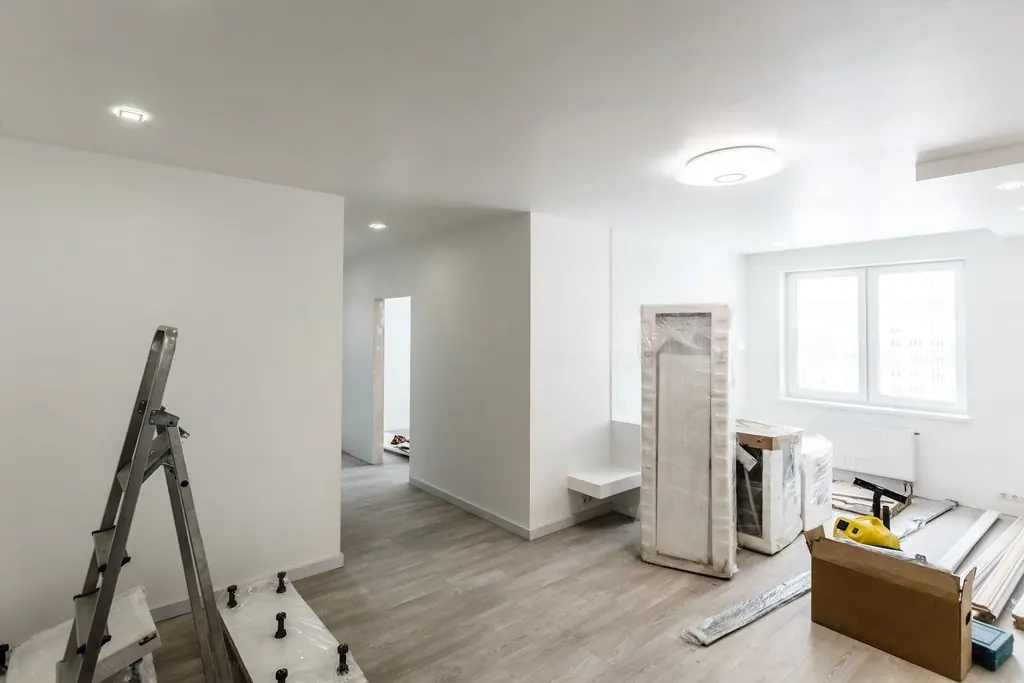
What a home renovation in Charlotte covers
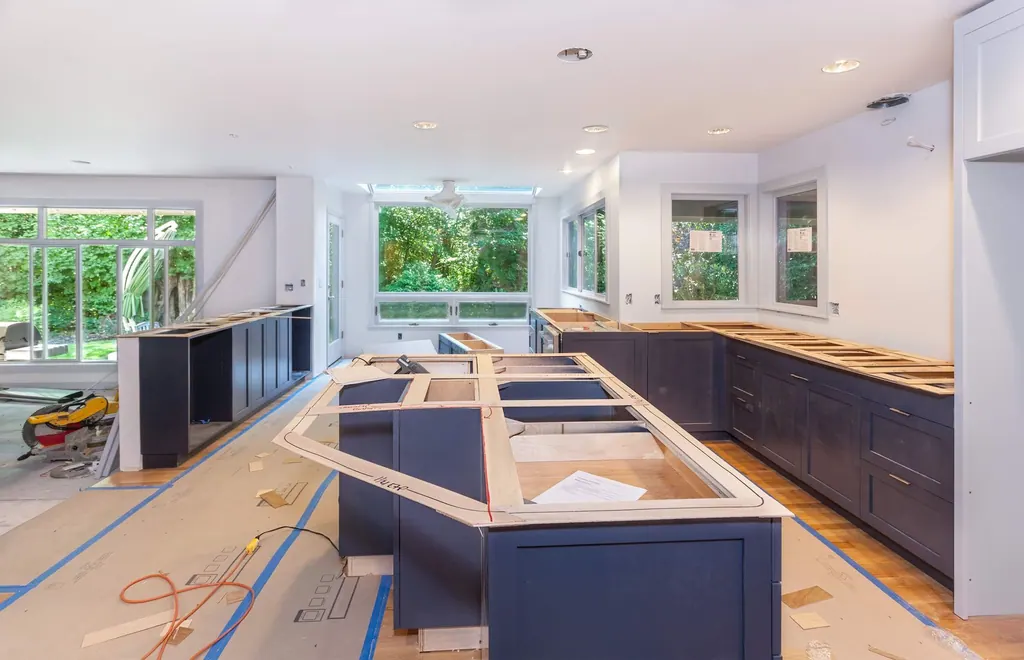
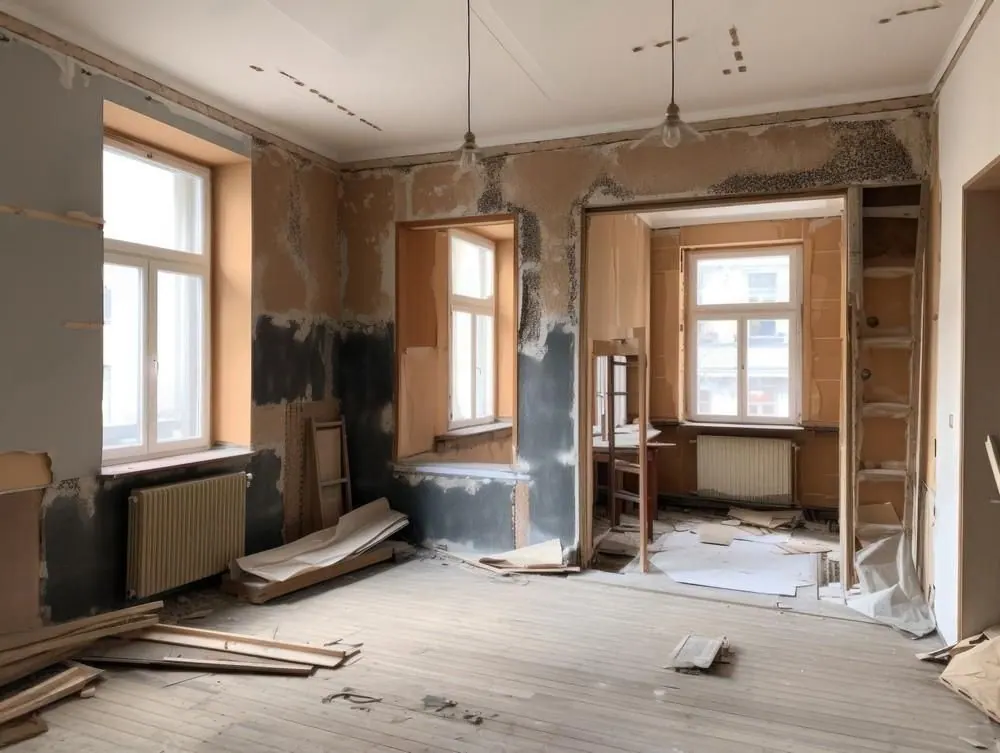
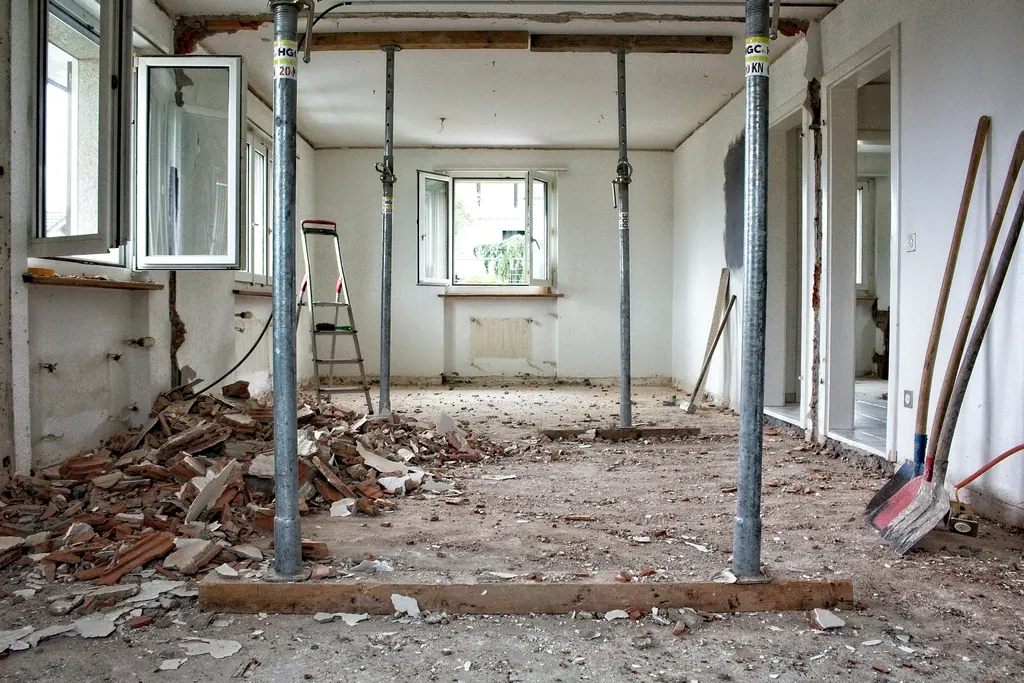
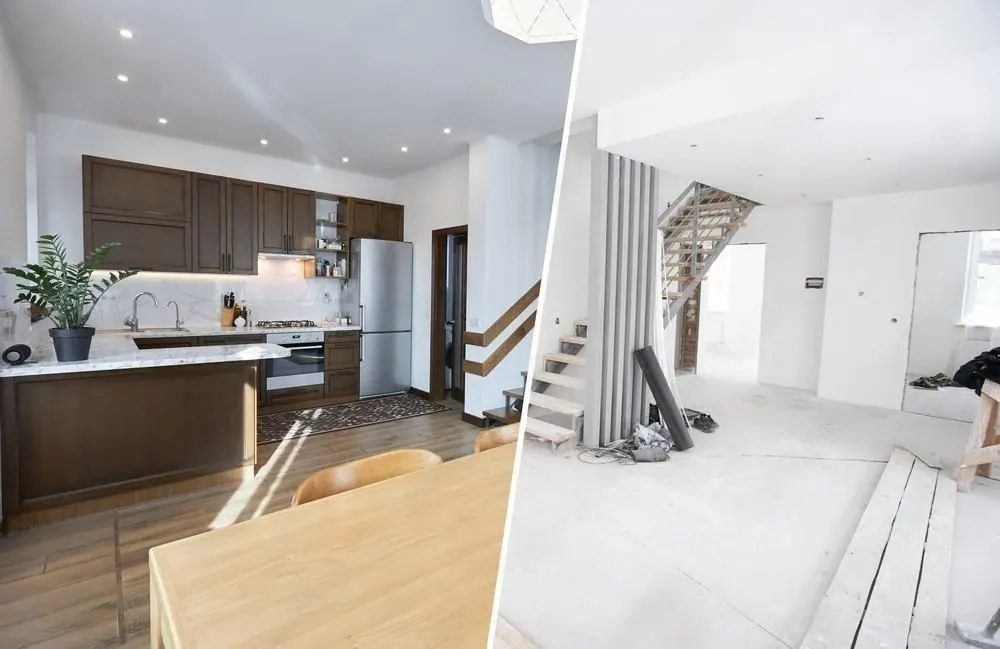
A home renovation updates several rooms, or a whole floor, as one project. It might be new floors through the main level, a reworked kitchen and two bathrooms, or every room in a house you just bought. We plan the rooms together and run the demolition, framing, drywall, flooring, tile, paint and finish carpentry as one job.
The difference from a single-room remodel is coordination. One room has one sequence of trades. Five rooms have five sequences that share the same hallway, the same dumpster and the same family trying to find the coffee.
Renovation, remodel or restoration
| Renovation | Remodel | Restoration | |
|---|---|---|---|
| What it means | Updating what is there: finishes, fixtures, repairs | Changing the layout or the purpose of a room | Repairing a house back to its original character |
| Typical example | New floors, paint and lighting through the house | Taking out a wall to open the kitchen to the living room | Saving the original trim and floors in an older home |
| Walls move? | Rarely | Often | Only to repair them |
Most projects mix all three, and the label matters less than the list of rooms. Our home restoration page covers older houses in more detail.
All at once or room by room
The big planning choice is whether to renovate everything in one go or in phases. Doing it at once usually costs less overall, because the setup, protection, demolition and finish trades happen once. Doing it in phases spreads the cost and keeps most of the house livable.
- All at once suits a house you have just bought and not moved into yet.
- Phases suit a house you live in, especially with children or pets at home.
- Either way, do the messy work first: anything that moves walls, plumbing or wiring comes before floors and paint anywhere nearby.
- Floors that run through several rooms are best laid in one go, so the boards line up and the color matches.
The order of work across a whole house
- Walk every room with you and write one scope for the whole project.
- Order the materials that take longest, such as cabinets, windows and special-order tile.
- Protect the rooms that stay, then demolition and haul-away.
- Framing changes, then rough plumbing and wiring, with inspections where needed.
- Drywall in every room before any finished floor goes down.
- Tile and flooring, then cabinets, trim and doors.
- Paint last, then fixtures, hardware and a walk-through of every room.
Drywall dust travels. Keeping the dusty trades ahead of the clean ones, across the whole house, is most of what keeps a renovation on track.
Renovating a house you just bought
If you have just closed on a house, the home inspection report is a good first draft of the scope. Bring it to the estimate. Some items will be repairs, some will be part of the renovation anyway, and a few can wait.
The weeks between closing and move-in are the easiest time to do floors and paint, because the rooms are empty. Furniture is the slowest trade on any job.
Renovating a small commercial space
We have served residential and commercial customers around Charlotte since 2014. A small office, shop or rental unit follows the same order of work as a house, with two differences: commercial spaces have their own building code rules, and a business usually needs the work done around opening hours.
Tell us at the estimate when the space has to be open, and which areas must stay usable during the work.
What moves the price of a renovation
A renovation is priced room by room and then as a whole, at a free estimate, and the total is confirmed with you before work starts. The biggest factors:
- How many rooms, and which ones: kitchens and bathrooms carry the most trades.
- Whether walls, plumbing or wiring move.
- Square footage of new flooring.
- One project or several phases.
- The condition of what is under the old finishes.