Decks and porches for Charlotte homes
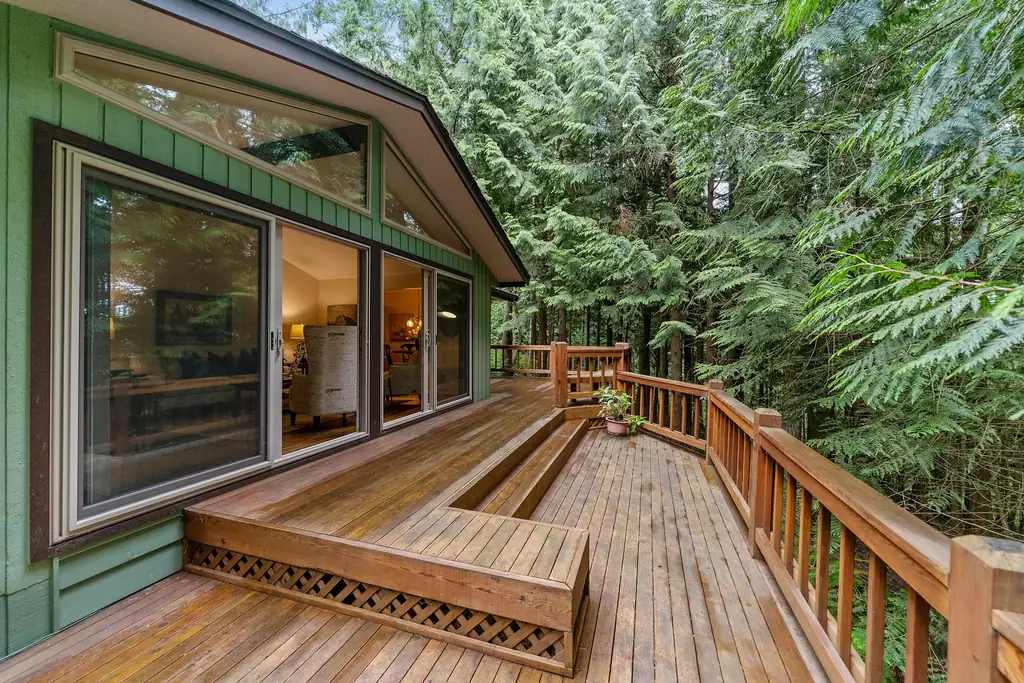
We build new decks, replace tired ones, and add porches, including covered porches with a roof that ties into the house. The work covers planning the size and stairs, removing any old structure, framing, decking, railings, steps and trim.
Outdoor space gets a lot of use around Charlotte, where spring and fall are long and mild. A deck off the kitchen tends to become the room everyone actually eats in from April to October.
Deck, porch or screened porch
| Open deck | Covered porch | Screened porch | |
|---|---|---|---|
| Sun and rain | Full sun, gets wet | Shade and shelter from rain | Shade, shelter and no bugs |
| Structure | Framing, decking and railings | Adds posts, beams and a roof tied to the house | A covered porch plus screen panels |
| Upkeep | Most, because the deck is exposed | Less, because the roof protects the floor | Screens need repairing now and then |
| Feels like | Outdoors | Outdoors with a ceiling | An extra room for half the year |
A roof is the biggest step up in the work. Once it ties into the house, a porch is closer to a room addition than a deck, and the roofline has to match.
Pressure-treated wood or composite
Most decks around Charlotte are framed in pressure-treated pine, whatever goes on top. The choice is the decking and railings. Pressure-treated decking costs less up front but needs cleaning and sealing to stay looking good. Composite decking costs more, does not need staining, and still needs washing.
Either way, the frame underneath decides how long the deck lasts. Composite boards on a poorly built frame are a short-lived deck with an expensive top.
The parts of a deck you never see
Most deck failures happen where the deck meets the house or the ground, not in the boards you walk on. These are the parts that matter most:
- The ledger: the board bolted to the house, which has to be properly fastened and flashed so water does not rot the house behind it.
- Footings: concrete below the posts, sized and set deep enough to carry the load.
- Posts, beams and joists sized for the span, with the right hardware at every connection.
- Railings and stairs built to the residential code's height and spacing rules.
- Ventilation and drainage under the deck, so the frame can dry out after rain.
Because a deck is a load-bearing structure, a new deck in North Carolina needs a building permit and inspections. In Charlotte and the rest of Mecklenburg County those come from Mecklenburg County Code Enforcement.
Repair or replace an old deck
Gray, splintery boards on a sound frame can often be replaced on their own. A frame with soft joists, rot at the ledger, posts sitting on the ground or a railing that moves when you lean on it usually means a new deck.
A screwdriver is a good first test. If it sinks into the wood at the ledger or the bottom of a post, that part is rotting. We check all of this at the estimate.
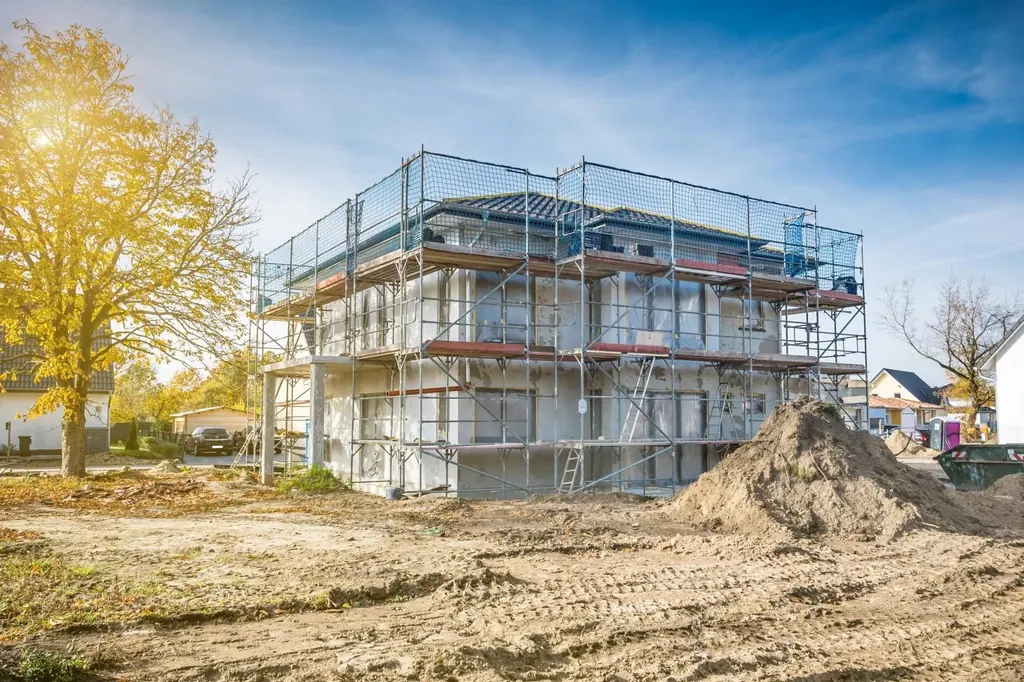
How a deck is built
- Agree the size, height, stairs and railings, and check setbacks and any HOA rules.
- Permit, then remove the old deck if there is one.
- Lay out and pour the footings, with an inspection before they are covered.
- Attach and flash the ledger, then set posts, beams and joists.
- Framing inspection, then decking, stairs and railings.
- Trim, any finish, the final inspection and a walk-through.
What moves the price of a deck or porch
A deck is priced at a free estimate and you get the number before any work is booked. The main variables:
- Size, and height off the ground: a second-story deck needs taller posts and longer stairs.
- Decking and railing material.
- Stairs, built-in benches and other extras.
- A roof, which turns a deck into a covered porch.
- Removing and hauling away an old deck.